Construction and Building Inspectors
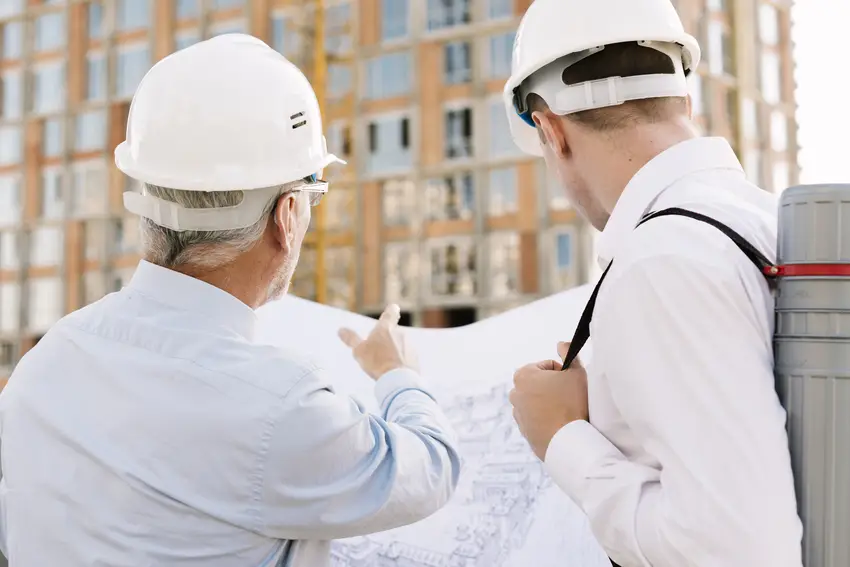
Construction and building inspectors are like safety detectives who make sure buildings are constructed properly and safely. They review building plans, visit construction sites to check that work follows building codes, and use cool tech tools like moisture meters and electrical testers to spot problems. These professionals work both in offices reviewing plans and out in the field collaborating with construction teams, using digital cameras and survey equipment to document their findings and ensure every building meets safety standards.
Did you know?
Most states require building inspectors to obtain specific certifications through organizations like ICC (International Code Council) and maintain continuing education to stay current with evolving building codes.
At a glance
Typical average pay
$69,900 Avg/yr
Growth
Stable
Top skill
Reading Comprehension
Things to consider
Physical Demands and Safety Risks
The role involves extensive fieldwork including climbing ladders, crawling through tight spaces, and working in active construction sites, requiring good physical fitness and safety awareness.
Employment Stability and Growth Outlook
Job security is closely tied to local construction activity and municipal budgets, with the Bureau of Labor Statistics projecting steady growth due to aging infrastructure and new construction needs.
Key responsibilities
Measure dimensions and verify level, alignment, or elevation of structures or fixtures to ensure compliance to building plans and codes.
Train, direct, or supervise other construction inspectors.
Inspect bridges, dams, highways, buildings, wiring, plumbing, electrical circuits, sewers, heating systems, or foundations during and after construction for structural quality, general safety, or conformance to specifications and codes.
Conduct environmental hazard inspections to identify or quantify problems, such as asbestos, poor air quality, water contamination, or other environmental hazards.
Monitor installation of plumbing, wiring, equipment, or appliances to ensure that installation is performed properly and is in compliance with applicable regulations.