Environmental Science and Protection Technicians
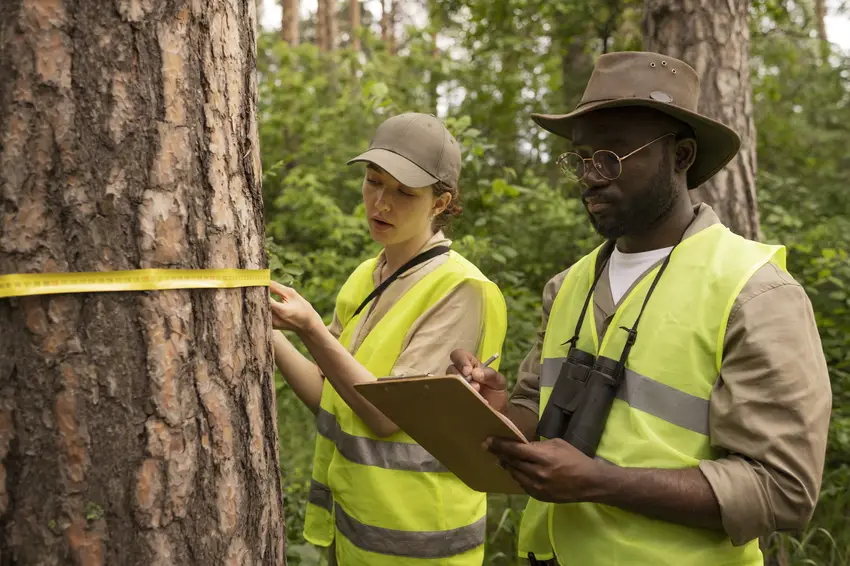
Environmental Science and Protection Technicians are like environmental detectives who protect public health by monitoring pollution and contamination. They inspect businesses and public places for safety hazards, set up high-tech equipment like remote sensors to track emissions, and collect samples of air, soil, and water for laboratory analysis using tools like microscopes. These professionals prepare detailed reports on their findings and work closely with clients to ensure everyone follows environmental regulations, often collaborating in teams and using cutting-edge technology to solve real-world problems.
Did you know?
Most positions require an associate's degree in environmental science or related field, with additional certifications from organizations like the National Environmental Health Association enhancing job prospects.
At a glance
Typical average pay
$52,200 Avg/yr
Growth
Fast growing
Top skill
Reading Comprehension
Things to consider
Growing Job Market Demand
Employment is projected to grow faster than average due to increased environmental regulations, climate change initiatives, and heightened public awareness of environmental health issues in the United States.
Diverse Work Environments and Safety Considerations
Technicians work in various settings from laboratories to outdoor field sites, requiring adherence to strict safety protocols when handling potentially hazardous materials and working in challenging environmental conditions.
Key responsibilities
Make recommendations to control or eliminate unsafe conditions at workplaces or public facilities.
Record test data and prepare reports, summaries, or charts that interpret test results.
Provide information or technical or program assistance to government representatives, employers, or the general public on the issues of public health, environmental protection, or workplace safety.
Calibrate microscopes or test instruments.
Develop or implement programs for monitoring of environmental pollution or radiation.