Fishing and Hunting Workers
Fishing and hunting workers catch fish and trap wild animals for food, research, and wildlife management purposes. They operate boats with GPS and navigation equipment, maintain fishing gear and traps, and work closely with landowners and wildlife agencies. This outdoor career involves tracking animals, processing catches, and participating in conservation efforts that help maintain healthy ecosystems. Many workers combine traditional outdoor skills with modern technology like sonar fish finders and digital mapping systems.
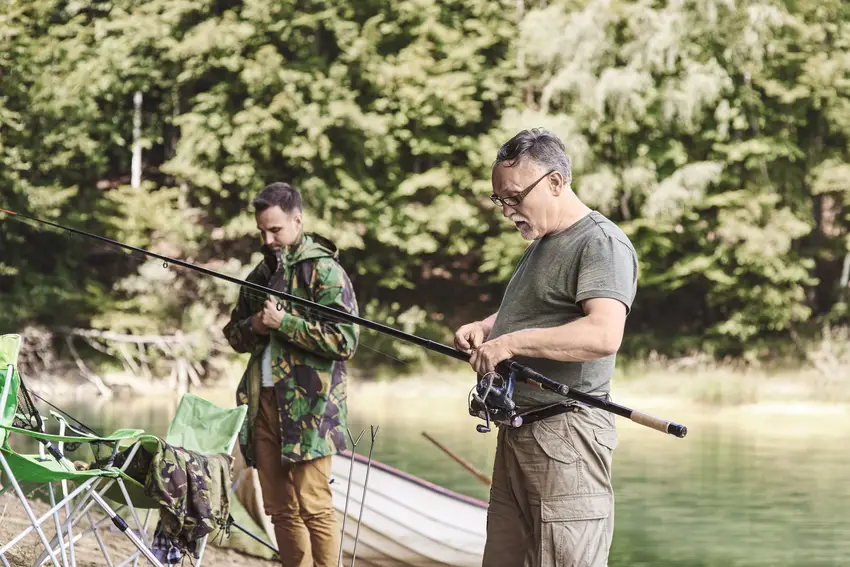
Did you know?
Most fishing and hunting work is highly seasonal, requiring workers to plan for income fluctuations and potentially seek alternative employment during off-seasons.
At a glance
Growth
Stable
Top skill
Critical Thinking
Things to consider
Physical Demands and Safety Risks
The occupation involves strenuous physical labor in challenging outdoor conditions with inherent safety hazards that require proper training and equipment.
Regulatory Compliance Requirements
Workers must navigate complex federal and state regulations regarding licenses, quotas, and conservation laws that can significantly impact employment opportunities.
Key responsibilities
Sort, pack, and store catch in holds with salt and ice.
Transport fish to processing plants or to buyers.
Connect accessories such as floats, weights, flags, lights, or markers to nets, lines, or traps.
Kill or stun trapped quarry, using clubs, poisons, guns, or drowning methods.
Wash decks, conveyors, knives, and other equipment, using brushes, detergents, and water.