Fuel Cell Engineers
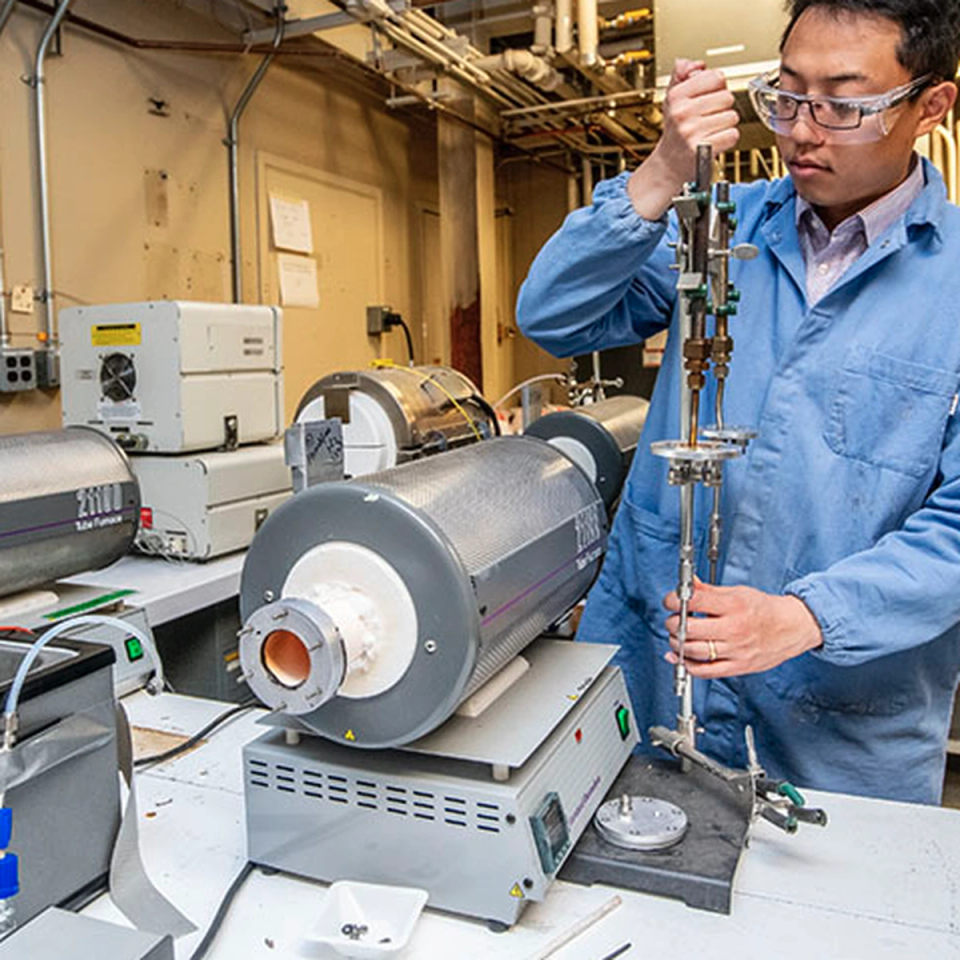
Fuel Cell Engineers design and improve advanced power systems that turn hydrogen and other fuels into electricity for cars, trucks, buildings, and portable devices. They use tools like simulation software (such as MATLAB or ANSYS), fuel cell test stations, and lab instruments to model performance, run experiments, and solve problems when parts fail. They also lead projects with other engineers and manufacturers to cut costs, boost efficiency, reduce pollution, and safely combine fuel cells with batteries, electric motors, and hydrogen storage tanks in real products.
Did you know?
Most positions require a master's degree in engineering or related field due to the highly specialized nature of fuel cell technology and the competitive American job market.
At a glance
Typical average pay
$102,900 Avg/yr
Growth
Fast growing
Top skill
Critical Thinking
Things to consider
Geographic Concentration of Opportunities
Job opportunities are primarily concentrated in specific regions like California, the Northeast, and areas with strong automotive or aerospace industries.
Industry Growth Dependent on Policy Support
Career prospects are closely tied to federal and state clean energy policies, government funding, and infrastructure investment in hydrogen technology.
Key responsibilities
Define specifications for fuel cell materials.
Prepare test stations, instrumentation, or data acquisition systems for use in specific tests of fuel cell components or systems.
Simulate or model fuel cell, motor, or other system information, using simulation software programs.
Provide technical consultation or direction related to the development or production of fuel cell systems.
Read current literature, attend meetings or conferences, or talk with colleagues to stay abreast of new technology or competitive products.