Lathe Machine Operators
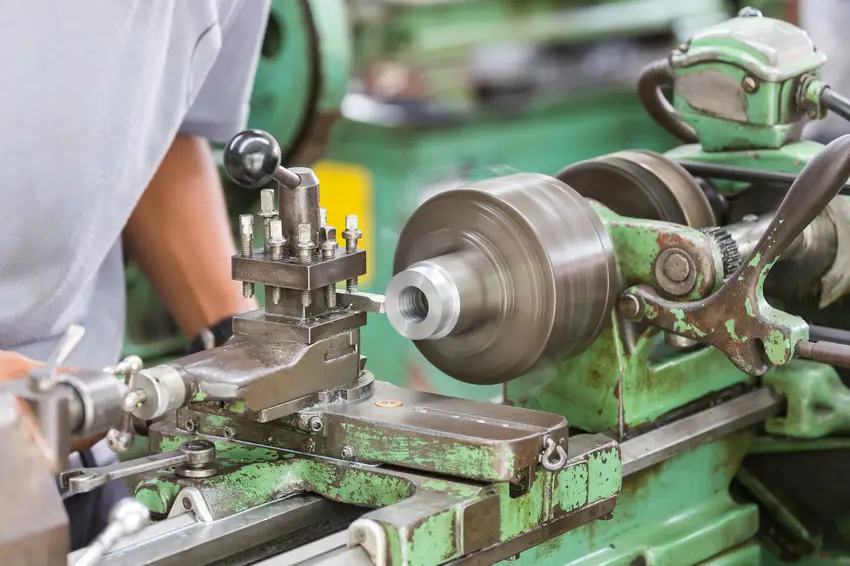
Lathe machine operators work with specialized machines to shape and cut metal and plastic materials into precise parts and components. They operate computer-controlled lathes, read technical blueprints, and use precision measuring tools like micrometers to ensure parts meet exact specifications. This hands-on job requires technical training and attention to detail, with opportunities to work in manufacturing plants, machine shops, or aerospace companies. Many operators start with vocational training or apprenticeships and can advance to programming CNC machines or supervisory roles.
Did you know?
Most positions require completion of vocational training programs or apprenticeships, with many employers preferring candidates who have completed formal machining programs at community colleges or technical schools.
At a glance
Typical average pay
$49,500 Avg/yr
Growth
Stable
Top skill
Operations Monitoring
Things to consider
Manufacturing Industry Outlook
Employment in this field is expected to decline slightly due to automation and overseas manufacturing, making it important to develop advanced skills in computer-controlled machinery and precision work.
Physical Demands and Safety Considerations
The role requires standing for long periods, working with heavy machinery, and strict adherence to OSHA safety protocols due to potential exposure to metal shavings, lubricants, and rotating equipment.
Key responsibilities
Inspect sample workpieces to verify conformance with specifications, using instruments such as gauges, micrometers, and dial indicators.
Clean work area.
Turn valve handles to direct the flow of coolant onto work areas or to coat disks with spinning compounds.
Study blueprints, layouts or charts, and job orders for information on specifications and tooling instructions, and to determine material requirements and operational sequences.
Position, secure, and align cutting tools in toolholders on machines, using hand tools, and verify their positions with measuring instruments.