Logging Equipment Operators
Logging Equipment Operators drive powerful tractors and specialized machinery to harvest trees and transport logs in forest environments. They operate high-tech equipment with hydraulic systems, GPS navigation, and computerized controls to cut trees, grade logs by quality, and build forest roads. This job combines technical machinery skills with outdoor work, requiring both physical coordination and knowledge of equipment maintenance and safety protocols. Many operators work for logging companies or government forestry departments, often in remote locations with opportunities for seasonal or project-based employment.
Did you know?
This occupation involves operating heavy machinery in challenging outdoor environments, requiring strict adherence to safety protocols and physical stamina to handle demanding work conditions.
At a glance
Typical average pay
$50,200 Avg/yr
Growth
Stable
Top skill
Operation and Control
Things to consider
Seasonal Employment Patterns
Many forestry operations are seasonal and weather-dependent, which can lead to periods of unemployment during winter months or adverse weather conditions.
Specialized Training Requirements
Operators must obtain certifications for specific forestry equipment and stay current with evolving technology and environmental regulations in the industry.
Key responsibilities
Fill out required job or shift report forms.
Drive tractors for building or repairing logging and skid roads.
Inspect equipment for safety prior to use, and perform necessary basic maintenance tasks.
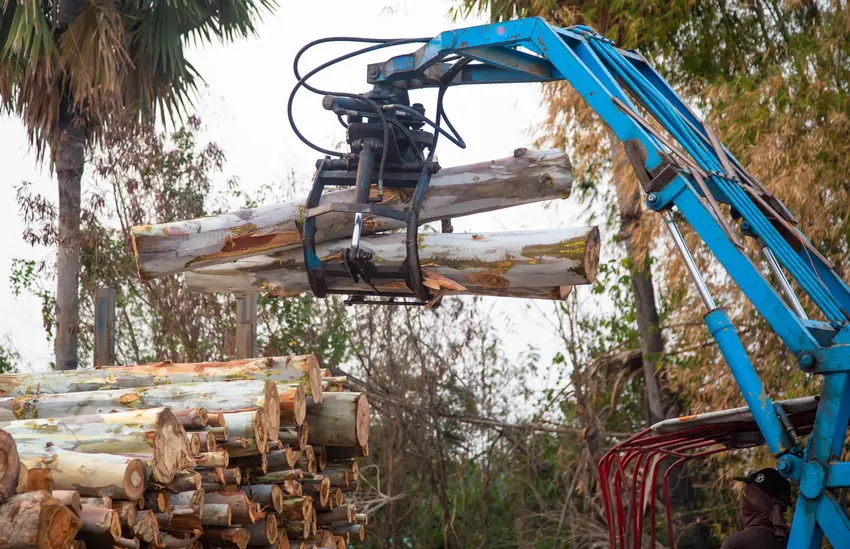
Control hydraulic tractors equipped with tree clamps and booms to lift, swing, and bunch sheared trees.
Calculate total board feet, cordage, or other wood measurement units, using conversion tables.