Molding Machine Operator
Molding machine operators run specialized machines that shape metal and plastic into parts for everything from car components to household items. You'll set up equipment, monitor the molding process, and use precision measuring tools to ensure each product meets exact specifications. This hands-on role combines technical skills with quality control, often in modern manufacturing facilities that use automated systems and computer-controlled machinery. Many operators work in team environments and can advance to supervisory roles or specialize in specific materials like aerospace-grade metals or medical plastics.
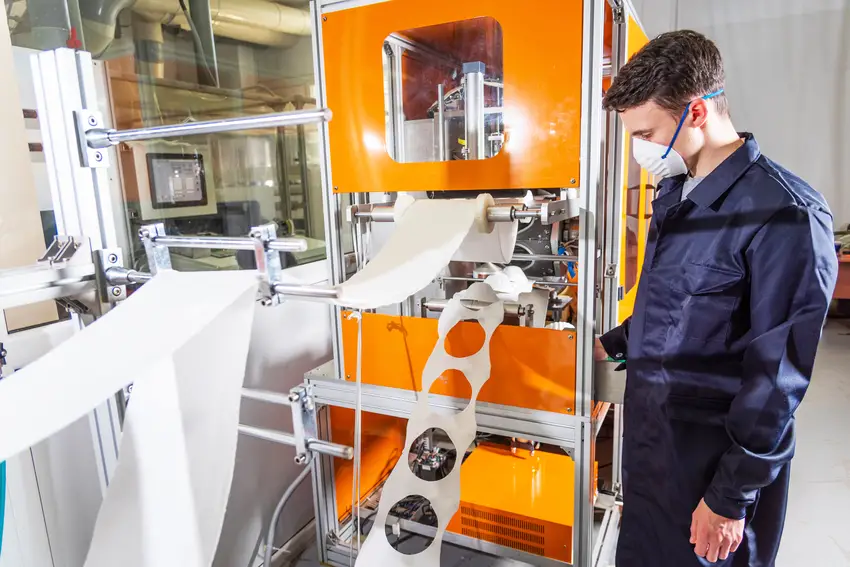
Did you know?
This occupation requires strict adherence to safety protocols and physical stamina due to working with heavy machinery, hot materials, and potentially hazardous chemicals in manufacturing environments.
At a glance
Typical average pay
$43,200 Avg/yr
Growth
Stable
Top skill
Operations Monitoring
Things to consider
Skills Development and Advancement
Workers can advance their careers by obtaining certifications in machine operation, quality control, or supervisory roles, with many employers offering apprenticeships and on-the-job training programs.
Geographic Job Concentration
Employment opportunities are primarily concentrated in manufacturing-heavy states like Michigan, Ohio, Indiana, and Texas, requiring potential relocation for optimal job prospects.
Key responsibilities
Read specifications, blueprints, and work orders to determine setups, temperatures, and time settings required to mold, form, or cast plastic materials, as well as to plan production sequences.
Remove parts, such as dies, from machines after production runs are finished.
Repair or replace damaged molds, pipes, belts, chains, or other equipment, using hand tools, hand-powered presses, or jib cranes.
Set up, operate, or tend metal or plastic molding, casting, or coremaking machines to mold or cast metal or thermoplastic parts or products.
Maintain inventories of materials.