Precision Agriculture Technicians
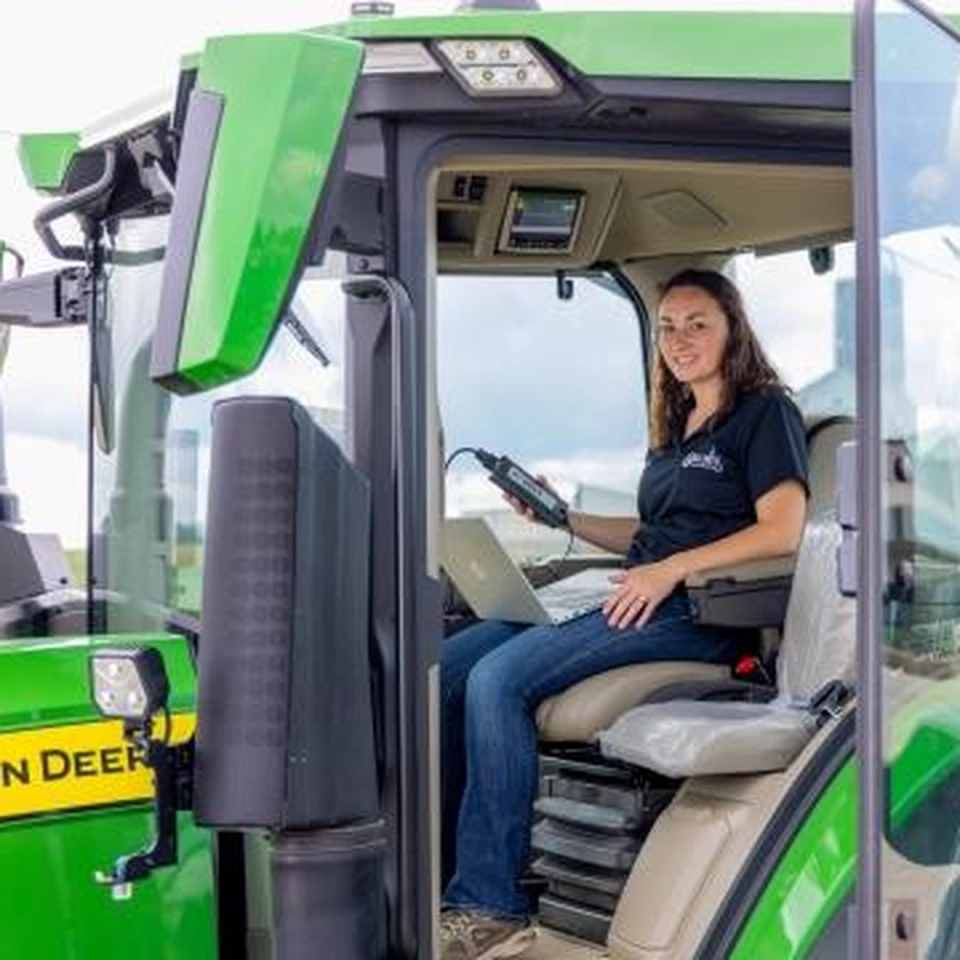
Precision Agriculture Technicians use advanced mapping tools, like GPS and GIS software, to help farmers decide exactly where and how much to plant, water, or spray in each part of a field. They collect data from sensors, drones, and harvesters, then create detailed maps that show soil quality, crop health, and yield so farms can use fewer chemicals, save money, and protect the environment. They also set up and program smart farm equipment—such as GPS-guided tractors and variable-rate sprayers—and advise farm managers on how to upgrade and fine-tune this technology for better results.
Did you know?
The field requires ongoing education in emerging technologies like AI, IoT sensors, and data analytics as precision agriculture rapidly evolves.
At a glance
Typical average pay
$46,000 Avg/yr
Growth
Fast growing
Top skill
Reading Comprehension
Things to consider
Geographic Job Concentration
Employment opportunities are primarily located in major agricultural regions such as the Midwest, California's Central Valley, and the Great Plains states.
Growing Industry Demand
The profession offers strong job growth potential due to increasing adoption of sustainable farming practices and government incentives for agricultural technology.
Key responsibilities
Participate in efforts to advance precision agriculture technology, such as developing advanced weed identification or automated spot spraying systems.
Document and maintain records of precision agriculture information.
Use geospatial technology to develop soil sampling grids or identify sampling sites for testing characteristics such as nitrogen, phosphorus, or potassium content, pH, or micronutrients.
Identify areas in need of pesticide treatment by analyzing geospatial data to determine insect movement and damage patterns.
Collect information about soil or field attributes, yield data, or field boundaries, using field data recorders and basic geographic information systems (GIS).