Refinery Operators
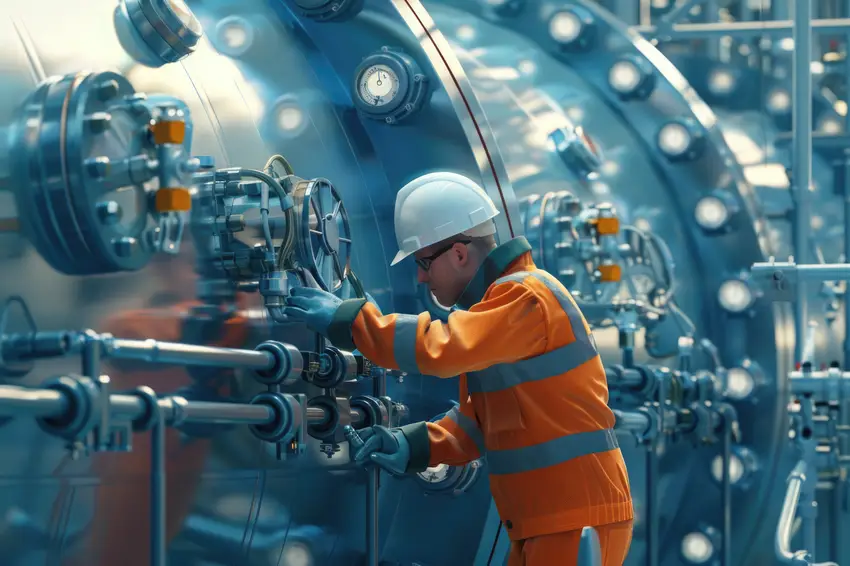
Refinery operators run the complex machinery and systems that turn crude oil into gasoline, diesel, and other petroleum products we use every day. They monitor computer-controlled equipment, adjust pumps and valves to control the flow of oil through processing units, and test products to ensure quality standards. These professionals work with advanced automation systems and digital monitoring tools while collaborating with engineering teams to keep refineries running safely and efficiently. The role requires strong technical skills, attention to detail, and often involves specialized training programs or associate degrees in process technology.
Did you know?
Petroleum process operators must strictly adhere to OSHA safety standards and EPA environmental regulations, as violations can result in serious injuries, environmental damage, and significant legal penalties.
At a glance
Typical average pay
$85,200 Avg/yr
Growth
Stable
Top skill
Operations Monitoring
Things to consider
Geographic Job Concentration
Employment opportunities are primarily concentrated in states with major refineries such as Texas, Louisiana, and California, which may require relocation for career advancement.
Technical Training Requirements
Most positions require completion of specialized technical training programs or associate degrees in process technology, along with ongoing certification maintenance.
Key responsibilities
Control or operate manifold and pumping systems to circulate liquids through a petroleum refinery.
Synchronize activities with other pumphouses to ensure a continuous flow of products and a minimum of contamination between products.
Conduct general housekeeping of units, including wiping up oil spills and performing general cleaning duties.
Operate control panels to coordinate and regulate process variables such as temperature and pressure, and to direct product flow rate, according to process schedules.
Operate auxiliary equipment and control multiple processing units during distilling or treating operations, moving controls that regulate valves, pumps, compressors, and auxiliary equipment.