Sewing Machine Operators
Sewing Machine Operators work with specialized machines to stitch together clothing and other fabric products in manufacturing facilities. They guide materials through high-speed sewing machines, monitor for quality issues like broken threads or stitching problems, and inspect finished pieces to ensure they meet standards. This job requires attention to detail, hand-eye coordination, and the ability to work with computerized equipment in modern factories. Many operators collaborate in teams and can advance to supervisory roles or specialize in complex garment construction.
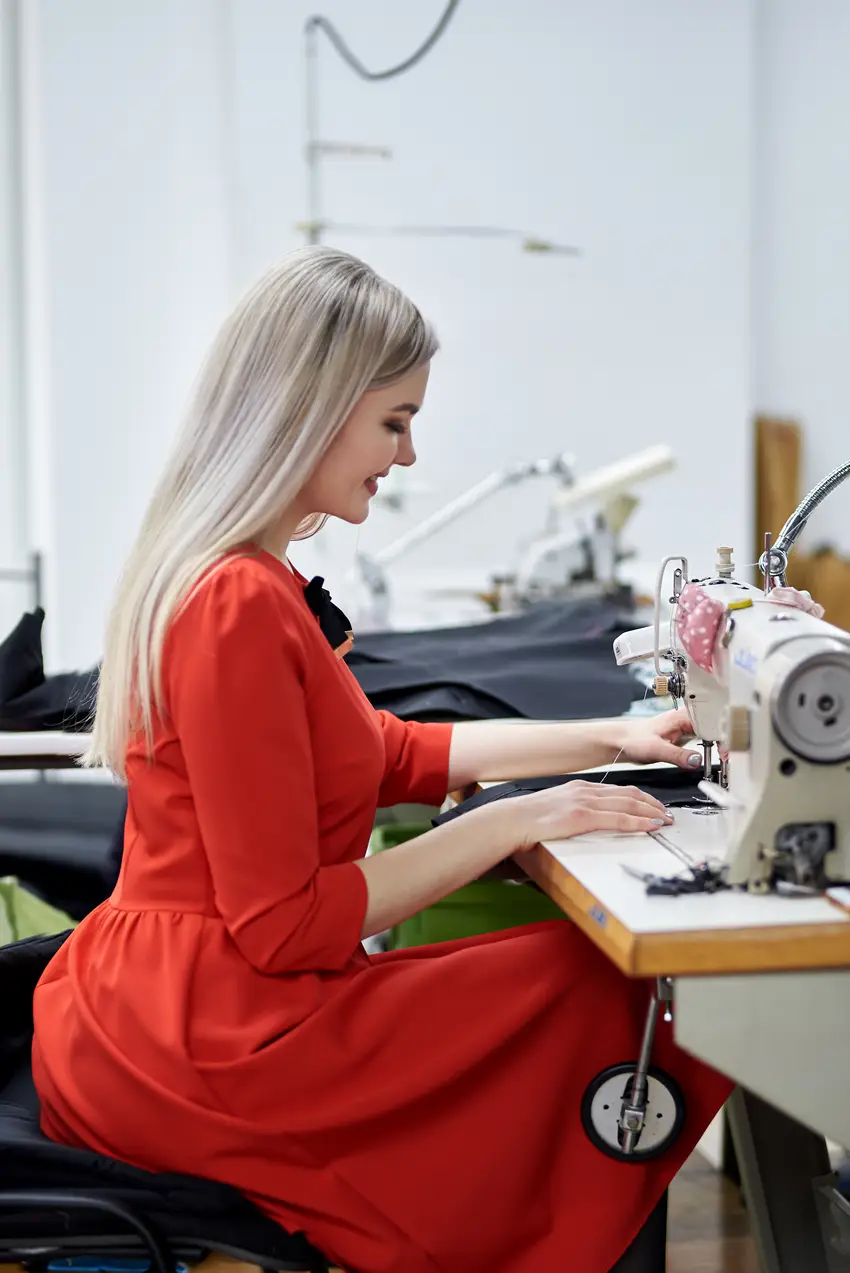
Did you know?
Sewing machine operators face repetitive motion injuries and must work in seated positions for extended periods, requiring good physical stamina and attention to ergonomic practices.
At a glance
Typical average pay
$36,200 Avg/yr
Growth
Stable
Top skill
Monitoring
Things to consider
Industry Automation and Job Market Decline
The American textile and apparel manufacturing sector continues to shrink due to automation and overseas competition, leading to fewer available positions and job security concerns.
Geographic Concentration in Specific Regions
Most sewing machine operator jobs in the US are concentrated in the Southeast and specific metropolitan areas, potentially requiring relocation for better employment opportunities.
Key responsibilities
Position material or articles in clamps, templates, or hoop frames prior to automatic operation of machines.
Remove holding devices and finished items from machines.
Turn knobs, screws, and dials to adjust settings of machines, according to garment styles and equipment performance.
Mount attachments, such as needles, cutting blades, or pattern plates, and adjust machine guides according to specifications.
Position items under needles, using marks on machines, clamps, templates, or cloth as guides.