Special Education Teaching Assistants
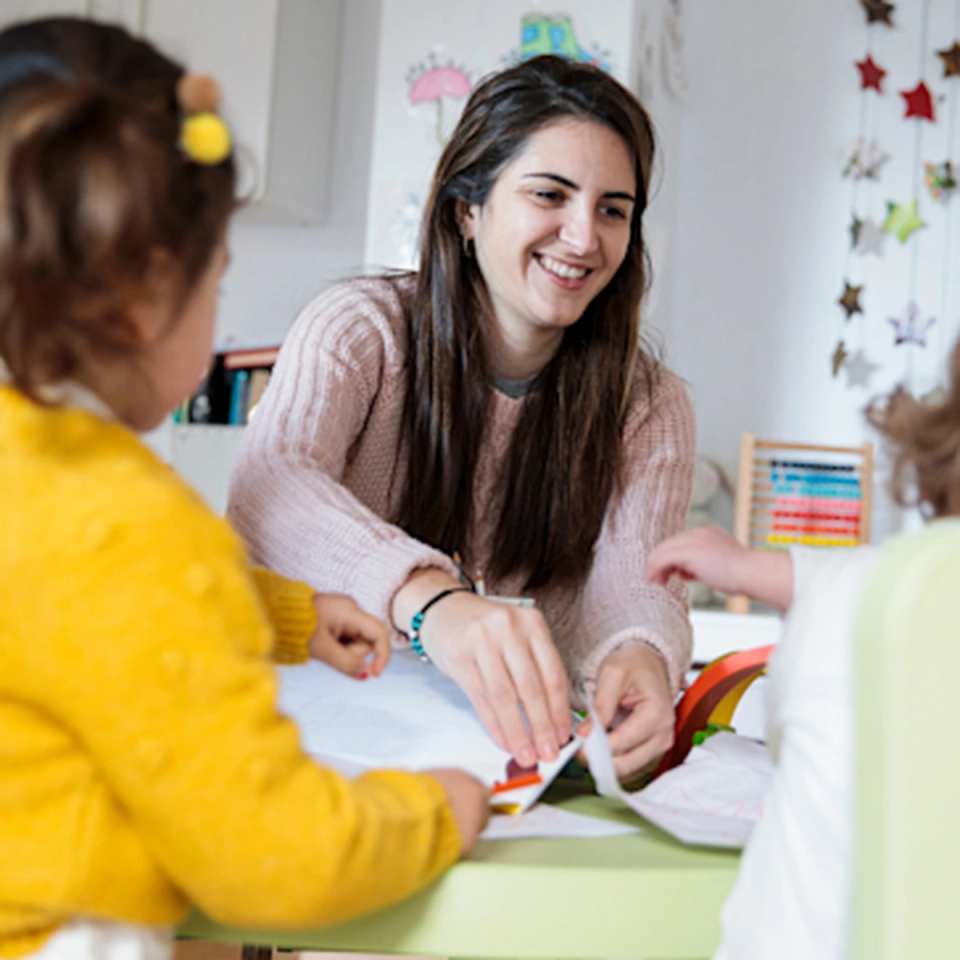
Special Education Teaching Assistants work side by side with special education teachers to support students who have learning, emotional, or physical disabilities. They help plan and deliver lessons, tutor students in small groups, track progress using data sheets or computer programs, and use tools like communication devices, visual schedules, and adapted keyboards so students can participate fully in class and daily life. They also guide students in social skills and everyday tasks—such as organizing materials, using school equipment safely, or practicing hygiene—while helping keep classrooms, hallways, and field trips safe, organized, and welcoming for everyone.
Did you know?
Most states require completion of a paraprofessional training program and passing a competency exam to work as a special education teaching assistant.
At a glance
Growth
Stable
Top skill
Active Listening
Things to consider
Emotional and Physical Demands
The role requires strong emotional resilience and physical stamina to manage challenging behaviors and provide hands-on support to students with diverse disabilities.
Professional Development Opportunities
Many school districts offer pathways for teaching assistants to pursue additional education and certification to become licensed special education teachers.
Key responsibilities
Prepare classrooms with a variety of materials or resources for children to explore, manipulate, or use in learning activities or imaginative play.
Prepare lesson materials, bulletin board displays, exhibits, equipment, and demonstrations.
Teach socially acceptable behavior, employing techniques such as behavior modification or positive reinforcement.
Prepare lesson outlines and plans in assigned subject areas and submit outlines to teachers for review.
Organize and supervise games and other recreational activities to promote physical, mental, and social development.