Urban and Regional Planners
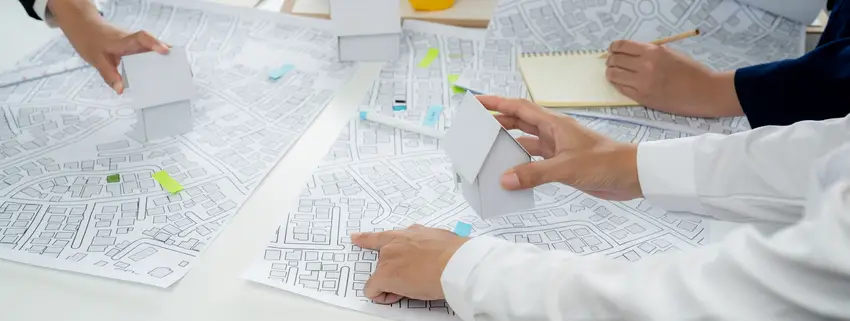
Urban and regional planners design the layout and development of communities, from small towns to major cities. They analyze data using GIS software and conduct field research to understand how areas can grow while protecting the environment and meeting residents' needs. These professionals collaborate with government officials, developers, and community members to review development proposals and create plans that balance housing, transportation, and green spaces. Many planners work in both office settings and out in the field, often with flexible schedules that include evening community meetings.
Did you know?
Most urban planning positions in the US require a master's degree in urban planning from an accredited program, making advanced education essential for career entry.
At a glance
Typical average pay
$79,000 Avg/yr
Growth
Stable
Top skill
Speaking
Things to consider
Public Sector Employment
The majority of urban planners work for local, state, or federal government agencies, requiring familiarity with public administration and government processes.
Community Engagement Skills
American planning culture emphasizes public participation and stakeholder involvement, making strong communication and facilitation skills crucial for success.
Key responsibilities
Hold public meetings with government officials, social scientists, lawyers, developers, the public, or special interest groups to formulate, develop, or address issues regarding land use or community plans.
Investigate property availability for purposes of development.
Advise planning officials on project feasibility, cost-effectiveness, regulatory conformance, or possible alternatives.
Create, prepare, or requisition graphic or narrative reports on land use data, including land area maps overlaid with geographic variables, such as population density.
Discuss with planning officials the purpose of land use projects, such as transportation, conservation, residential, commercial, industrial, or community use.