Vision Rehabilitation Therapists and Mobility Specialists
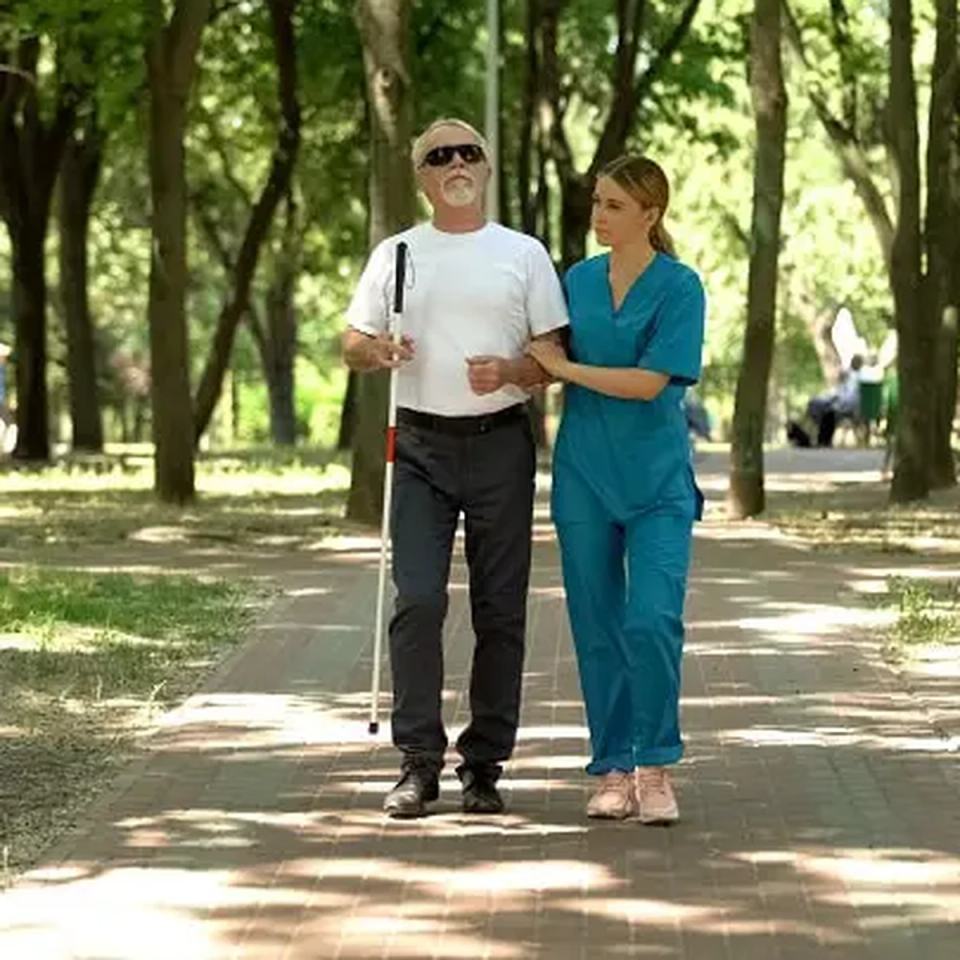
Vision Rehabilitation Therapists and Mobility Specialists help people who are blind or have low vision learn practical skills to live more independently at home, at school, at work, and in the community. They assess each person’s abilities and goals, then design a custom plan that can include learning cane techniques, using guide dogs or electronic travel aids, reading and writing Braille, and using adaptive tools like screen readers, magnification software, and talking book devices. They also coach families and teachers, adjust plans as clients improve, and coordinate with other professionals, such as occupational therapists and eye doctors, to make sure the person has the tools, training, and support they need to navigate life confidently.
Did you know?
These professions require specialized certification through organizations like the Academy for Certification of Vision Rehabilitation Therapy Professionals (ACVREP) and may need state licensing depending on the jurisdiction.
At a glance
Typical average pay
$95,300 Avg/yr
Growth
Fast growing
Top skill
Active Listening
Things to consider
Growing Market Demand
The aging American population and increased prevalence of vision-related conditions create expanding job opportunities in healthcare facilities, rehabilitation centers, and community organizations.
Interdisciplinary Collaboration
Success in these roles requires working closely with ophthalmologists, occupational therapists, social workers, and other healthcare professionals as part of comprehensive patient care teams.
Key responsibilities
Recommend appropriate mobility devices or systems, such as human guides, dog guides, long canes, electronic travel aids (ETAs), and other adaptive mobility devices (AMDs).
Train clients with visual impairments to use mobility devices or systems, such as human guides, dog guides, electronic travel aids (ETAs), and other adaptive mobility devices (AMDs).
Teach independent living skills or techniques, such as adaptive eating, medication management, diabetes management, and personal management.
Train clients to use adaptive equipment, such as large print, reading stands, lamps, writing implements, software, and electronic devices.
Teach self-advocacy skills to clients.