Woodworking Machine Operators
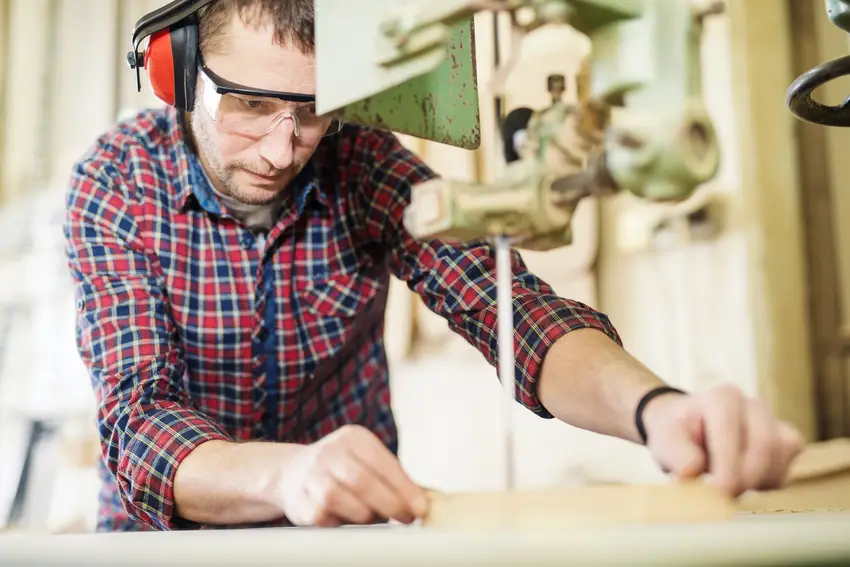
Woodworking machine operators set up and run specialized equipment like drill presses, lathes, routers, and sanders to create precise wood components and products. They work with both computerized and manual machines, adjusting settings, monitoring quality, and ensuring safety protocols are followed. This hands-on career combines technical skills with craftsmanship, often involving collaboration with designers and other craftspeople in manufacturing facilities or custom woodworking shops. Many operators start with vocational training or apprenticeships and develop expertise in operating increasingly sophisticated machinery.
Did you know?
Workers must maintain strict safety protocols and physical stamina as the role involves operating heavy machinery with potential injury risks and requires standing for extended periods.
At a glance
Typical average pay
$41,900 Avg/yr
Growth
Stable
Top skill
Operations Monitoring
Things to consider
Skills and Training Requirements
Most positions require on-the-job training or vocational education, with employers increasingly valuing workers who can operate computer-controlled machinery and read technical blueprints.
Industry Employment Outlook
Employment in this field is expected to decline due to automation and overseas competition, making specialization in advanced machinery operation or custom woodworking increasingly valuable.
Key responsibilities
Push or hold workpieces against, under, or through cutting, boring, or shaping mechanisms.
Secure woodstock against a guide or in a holding device, place woodstock on a conveyor, or dump woodstock in a hopper to feed woodstock into machines.
Attach and adjust guides, stops, clamps, chucks, or feed mechanisms, using hand tools.
Grease or oil woodworking machines.
Set up, program, operate, or tend computerized or manual woodworking machines, such as drill presses, lathes, shapers, routers, sanders, planers, or wood-nailing machines.